

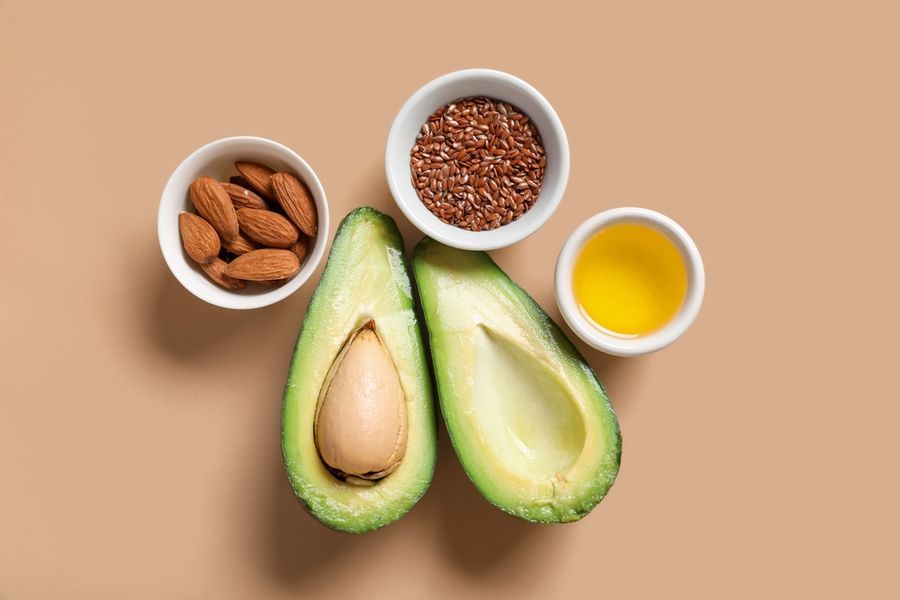
Dietary fat has often been treated as something to avoid, but the reality is the body needs fat for energy, cell function, vitamin absorption, and other essential processes. The key is recognizing that different fats can affect health in different ways. Unsaturated fats generally deserve a larger place in a balanced diet, while saturated and trans fats should be limited. Learning where each type appears will make grocery shopping, cooking, and meal planning much easier.
Why Your Body Needs Dietary Fat
Fat is an essential nutrient, not simply an extra source of calories. It provides energy, supports healthy cells, helps insulate the body, and allows vitamins A, D, E, and K to be absorbed. Dietary fat also supplies essential fatty acids that the body cannot produce independently. Such fatty acids play roles in brain development, inflammation regulation, and blood clotting.
Fat is more calorie-dense than protein or carbohydrates, providing nine calories per gram compared with four calories per gram for the other two macronutrients. That doesn'tmake fat unhealthy, but portions still matter. Rather than trying to eliminate fat, focus on improving its sources. Replacing foods high in saturated fat with foods containing unsaturated fat is generally more useful than following a very low-fat diet filled with refined carbohydrates or heavily processed low-fat products.
Know the Four Main Types of Dietary Fat
Dietary fats are usually divided into monounsaturated, polyunsaturated, saturated, and trans fats. Most foods contain a combination, but one type is often present in greater amounts. Understanding the basic differences can help you choose cooking oils, spreads, proteins, snacks, and packaged foods more confidently.
|
Type of Fat |
Common Food Sources |
General Guidance |
|---|---|---|
|
Monounsaturated fat |
Olive oil, avocado, peanuts, almonds, and cashews |
Eat more often in place of saturated fat |
|
Polyunsaturated fat |
Fatty fish, walnuts, seeds, soybean oil, and corn oil |
Eat more often as part of a balanced diet |
|
Saturated fat |
Butter, fatty meat, full-fat dairy, coconut oil, and palm oil |
Limit and replace with unsaturated fats when possible |
|
Trans fat |
Small natural amounts in some animal foods and trace amounts in certain processed products |
Keep intake as low as possible |
The goal is not to classify every individual food as completely good or bad. Meals and dietary patterns matter more than isolated ingredients. Current American Heart Association guidance emphasizes choosing sources of unsaturated fat in place of saturated fat as part of an overall heart-healthy eating pattern.
Eat More Foods Rich in Monounsaturated Fat
Monounsaturated fats are found mainly in plant-based foods and oils. Olive oil, canola oil, avocados, peanuts, almonds, cashews, hazelnuts, and many other nuts contain meaningful amounts. Such fats are usually liquid at room temperature, although the foods that contain them can take many forms.
Replacing saturated fats with monounsaturated fats can help reduce LDL cholesterol, sometimes called bad cholesterol, and support cardiovascular health. The word “replace” is important. Adding large amounts of olive oil or nuts to an existing diet without adjusting anything else may simply increase total calorie intake.
Simple substitutions make monounsaturated fats easier to include. Use olive oil instead of butter for roasting vegetables, spread avocado on toast, or choose a small handful of unsalted nuts instead of chips. Nut butter can also add flavor and staying power to oatmeal, fruit, or whole-grain toast. Moderate portions allow you to gain nutritional benefits without turning a balanced meal into an overly heavy one.
Make Room for Polyunsaturated Fats
Polyunsaturated fats include omega-3 and omega-6 fatty acids. Both are essential, meaning the body needs to obtain them through food. Sources include fatty fish, walnuts, flaxseeds, chia seeds, sunflower seeds, tofu, soybeans, and several liquid vegetable oils. Oils rich in polyunsaturated fat may also provide vitamin E, an antioxidant nutrient.
Omega-3 fatty acids receive particular attention because of their role in cardiovascular health. Fatty fish such as salmon, sardines, trout, herring, and mackerel are common food sources. Plant foods including walnuts, chia seeds, and ground flaxseeds provide a different form of omega-3. A varied diet can include both seafood and plant sources, depending on personal preferences and dietary needs.
Omega-6 fats are also necessary and appear in many vegetable oils, seeds, and nuts. They don't need to be eliminated. A practical approach is to eat a wide range of minimally processed foods instead of becoming overly focused on a perfect ratio between omega-3 and omega-6 fats.
Limit Saturated Fat Without Eliminating Favorite Foods
Saturated fat is commonly found in butter, cheese, whole milk, cream, fatty cuts of meat, processed meats, and poultry skin. Coconut, palm, and palm kernel oils are plant-based, but they are also high in saturated fat. Eating large amounts of saturated fat can raise LDL cholesterol, which is associated with increased cardiovascular risk.
Many dietary recommendations advise keeping saturated fat below 10 percent of total daily calories. The American Heart Association recommends a lower target of less than 6 percent for people working to reduce LDL cholesterol or cardiovascular risk. For someone consuming about 2,000 calories, 6 percent equals roughly 13 grams of saturated fat. Individual needs can vary, particularly for people managing a medical condition.
Limiting saturated fat doesn't mean never eating cheese, butter, or red meat. Frequency, portion size, and the rest of the meal matter. Try using less cheese while adding vegetables, choosing leaner cuts of meat, or replacing part of the meat in a dish with beans or lentils.
Keep Trans Fat Intake as Low as Possible
Artificial trans fats were once widely used in packaged baked goods, shortening, margarine, and fried foods because they improved texture and shelf life. They were primarily produced through partial hydrogenation, a process that made liquid vegetable oil more solid. Trans fat can increase LDL cholesterol, and higher intake is associated with a greater risk of cardiovascular disease.
The U.S. Food and Drug Administration determined that partially hydrogenated oils were no longer generally recognized as safe. Most manufacturers could no longer add them to foods after June 18, 2018, and the final extended compliance period ended in January 2021. Small amounts of trans fat may still occur naturally in meat and dairy products or appear as trace byproducts of oil processing.
Check the Nutrition Facts label for trans fat and scan ingredient lists for partially hydrogenated oil, especially on older imported products or specialty foods. A label may display zero grams when a serving contains a very small amount, so the ingredient list can provide additional context.
Choose Whole Foods That Naturally Contain Healthy Fats
Healthy fats become easier to manage when they come from whole or minimally processed foods. Nuts, seeds, avocados, olives, fish, tofu, and edamame provide more than fat alone. Depending on the food, they may also supply protein, fiber, vitamins, minerals, and antioxidants.
A small handful of nuts can make a satisfying snack, while seeds can be stirred into yogurt, oatmeal, or salads. Avocado also works well in sandwiches, grain bowls, tacos, and dips. Fish can replace higher-saturated-fat meats in some meals, while tofu or beans can provide a plant-based alternative. Portion awareness is still helpful because foods rich in fat are calorie-dense. You don't need to measure every bite, but pouring oil freely or eating nuts straight from a large container can make portions difficult to judge. Serve a reasonable amount and pair it with other nutrient-rich foods.
Make Smart Swaps While Cooking and Shopping
Improving fat quality often requires only a few practical substitutions. Cook with olive, canola, avocado, soybean, sunflower, or other liquid non-tropical oils more often than butter, shortening, or lard. Choose fish, beans, lentils, or tofu in place of fatty meat for some meals. Select lean meat and remove poultry skin when those options fit your preferences.
At the grocery store, compare the Nutrition Facts labels on similar products. Look at saturated fat per serving, serving size, and the ingredient list. A food advertised as keto, natural, plant-based, or made with coconut oil is not automatically low in saturated fat. Coconut oil remains predominantly saturated, despite its plant origin.
Try changing one familiar meal at a time. Add walnuts instead of bacon to a salad, use hummus rather than a creamy spread, or prepare vegetables with olive oil instead of butter. Small swaps are usually easier to maintain than a complete diet overhaul.
Focus on Balance Rather Than Fear
Healthy eating doesn't require avoiding all fat or calculating every gram. A balanced approach gives more space to monounsaturated and polyunsaturated fats while keeping saturated fat moderate and trans fat as low as possible. Food sources matter, so favoring fish, nuts, seeds, avocado, olives, and liquid plant oils can improve the overall quality of meals.
Think about what you can replace rather than what you must remove. Swapping butter for olive oil or fatty meat for salmon changes the type of fat without leaving the meal unsatisfying. Finally, anyone with high cholesterol, heart disease, diabetes, or another condition affecting nutrition should ask a doctor or registered dietitian for personalized guidance.